
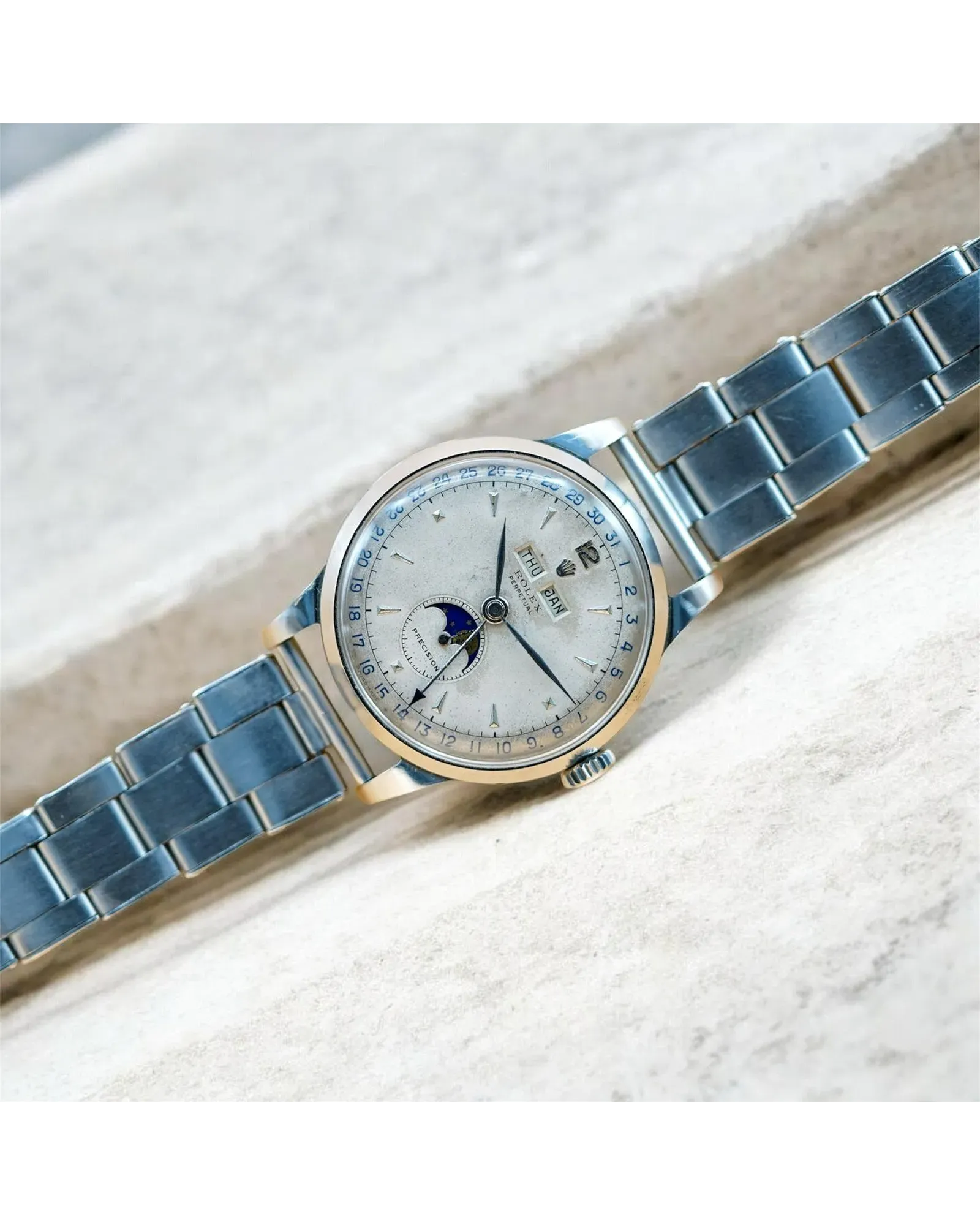
Rolex Oyster Perpetual Triple Date Moonphase Ref. 6062
1950-1953, 6062
Price on Application
Offered by
Wasting TimeTrustedA Rolex ref. 6062 'Stelline' in stainless steel and 18-carat yellow gold, produced between 1950 and 1953. Among the rarest of all vintage Rolex references, the 6062 remains the brand's only serially produced triple calendar with moonphase, a complexity never revisited in the modern era.
Frequently asked
What is the reference number?
The reference number is 6062.
What year is this watch?
This piece dates to 1950-1953.
What is the case size?
The stainless steel and gold case measures 36mm in diameter.
What movement does it have?
Automatic
What bracelet or strap comes with it?
Stainless steel bracelet
Does it come with box and papers?
Please enquire for the full set details.
What is the condition?
The watch presents in what appears to be honest, unrestored condition consistent with its age. Surface wear to the case flanks and lugs suggests regular use over the decades, though the proportions remain crisp and free from heavy polishing in our view. The dial exhibits a warm, even patina across its silvered surface,…
Similar Watches
View all →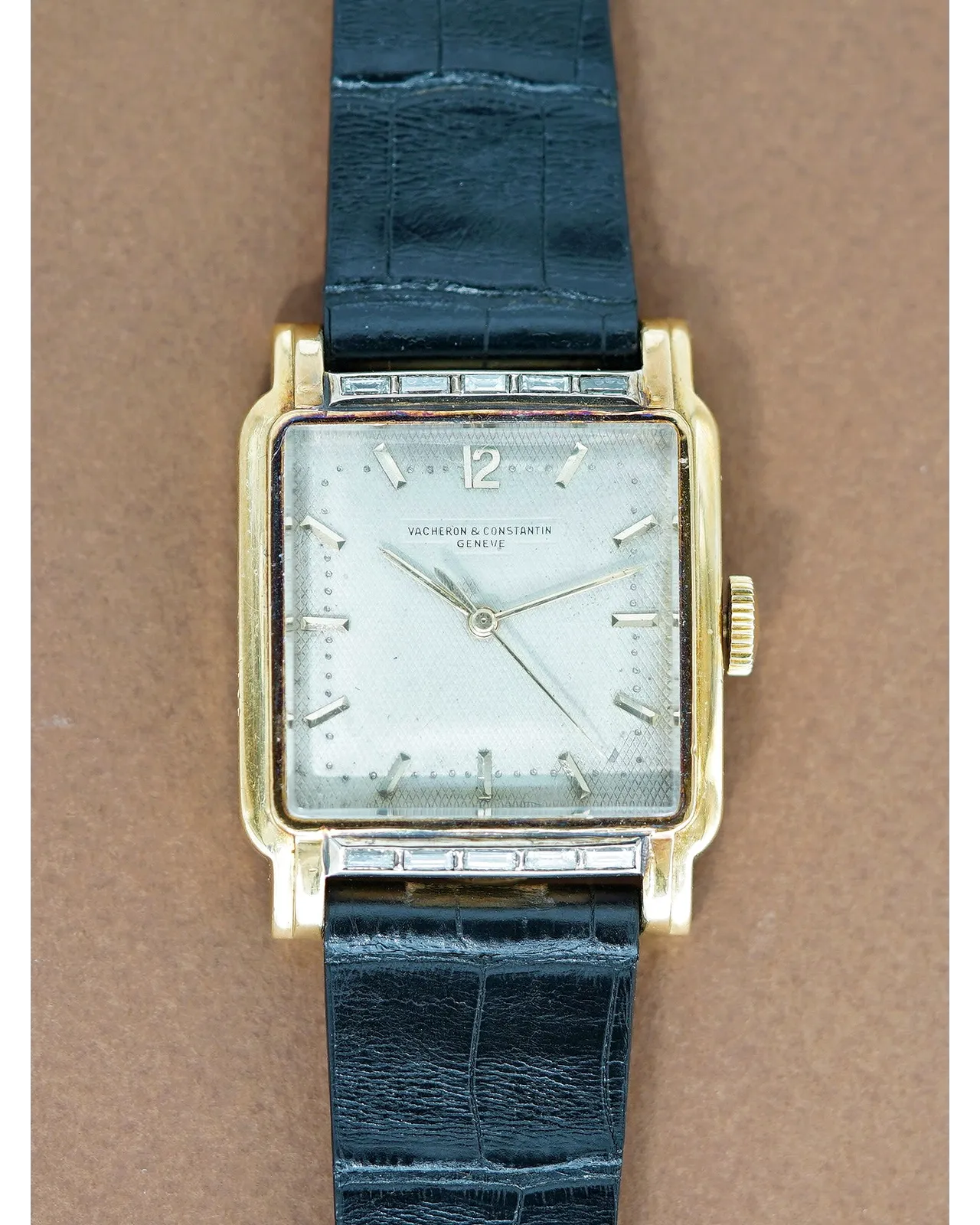
Vacheron Constantin
Vacheron Constantin Suare with Diamond Bezel
1952 · Price on Application
Vacheron Constantin
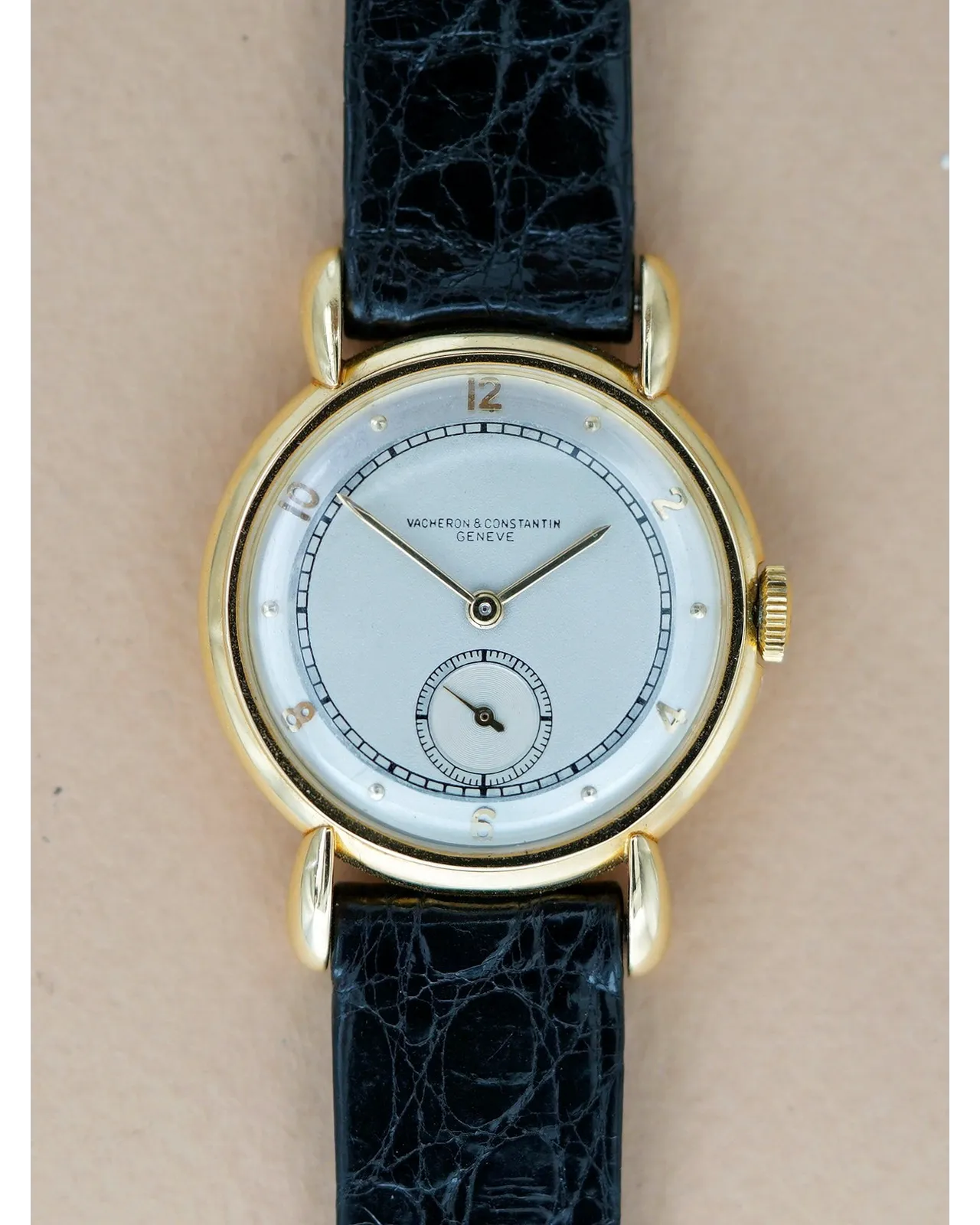
Vacheron Constantin Vintage Yellow Gold Dress Watch
1940s-1950s · Price on Application
Rolex
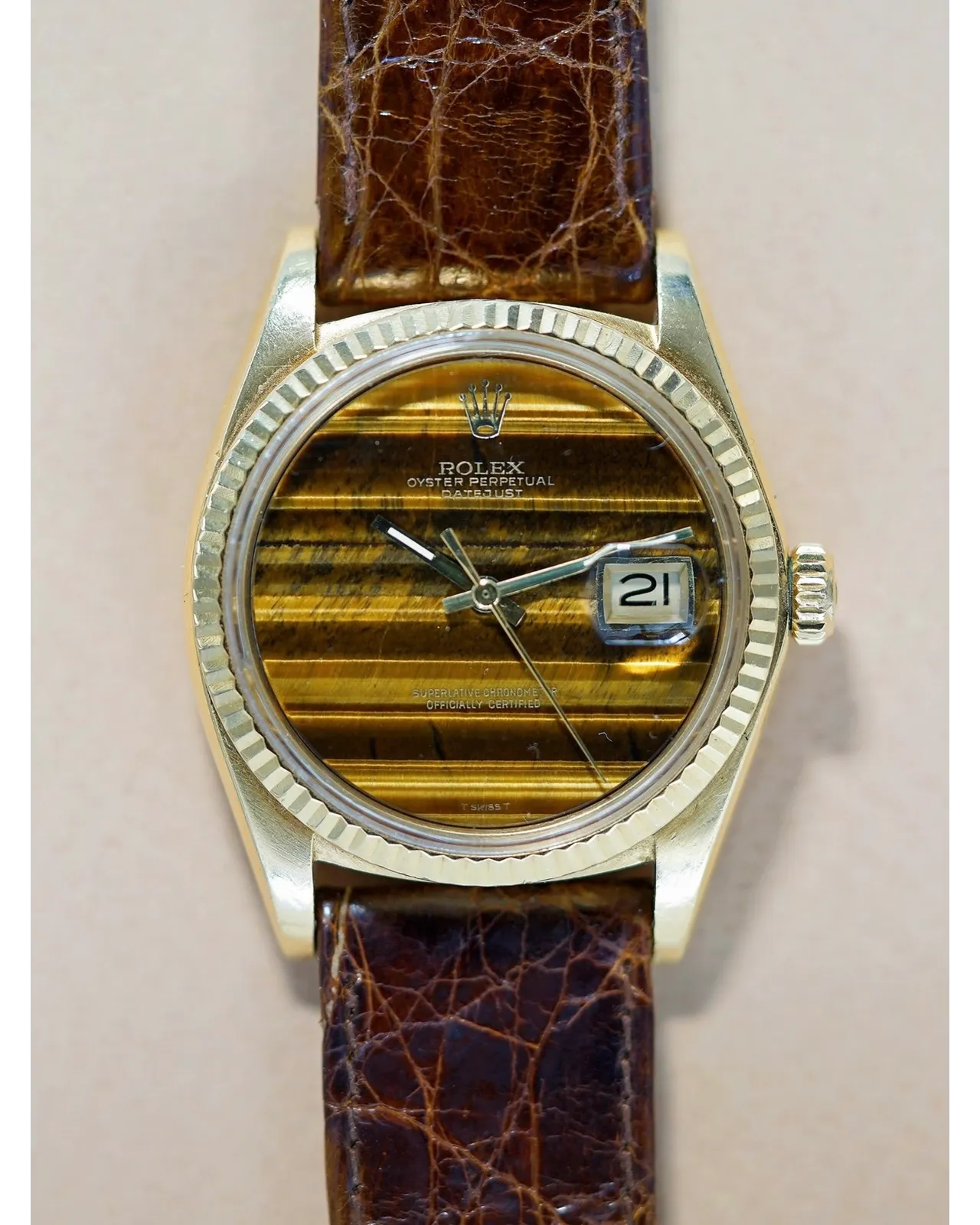
Rolex Datejust 16013 Two-Tone Tiger's Eye Stone Dial
1980-1988 · Price on Application
Rolex
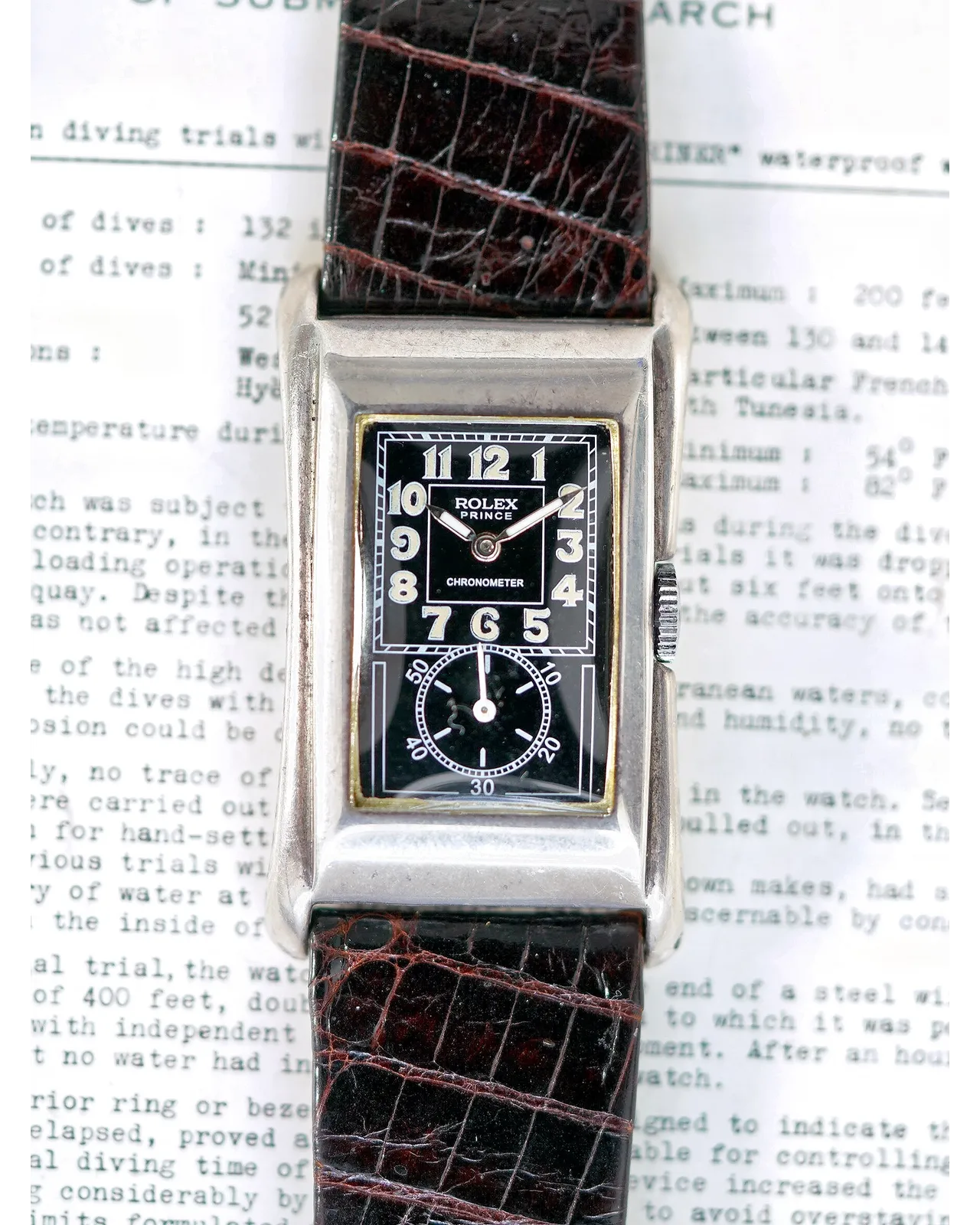
Rolex Prince
1930s-1940s · Price on Application